
Why Chimney Flashing Repair is Critical for Tacoma Homes
Tacoma's wet climate makes chimney flashing a primary point of failure for water leaks. Learn how to identify and fix flashing issues before they damage your home.
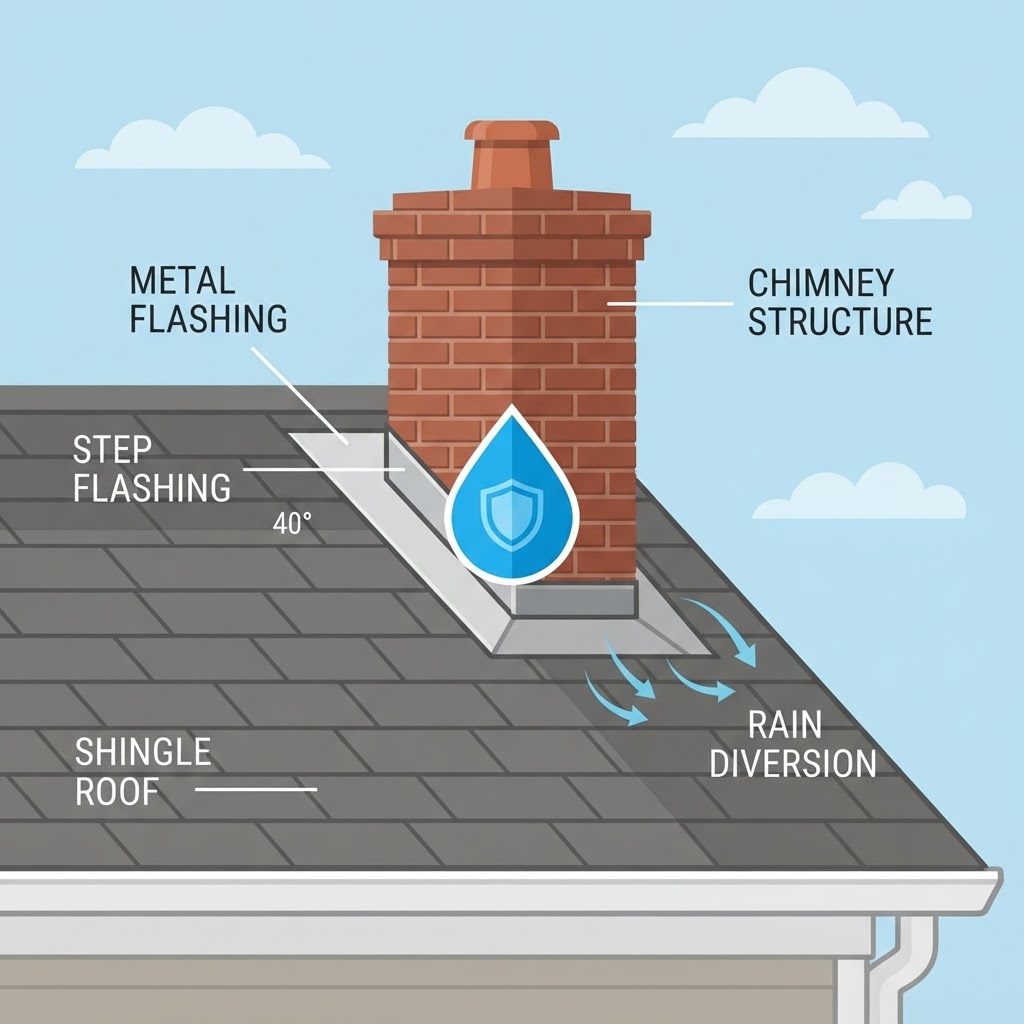
The Role of Flashing in Tacoma's Wet Climate
In Tacoma, where we experience nearly 40 inches of rainfall annually, your chimney is constantly battling moisture. Chimney flashing—the metal strips installed where the chimney meets the roof—is the primary defense against water intrusion. When this seal fails, water seeps directly into your attic, ceiling, and wall framing, leading to rot and mold.
Because of our region's frequent precipitation, even a small gap in the flashing can lead to significant structural damage over time. Whether you live in the historic homes of the North End or a newer build in University Place, ensuring your flashing is watertight is essential for long-term home preservation.
- Prevents water from entering the roof deck
- Protects interior drywall and insulation
- Prevents wood rot in attic rafters
- Maintains the structural integrity of the chimney base
Typical Repair Costs
Professional chimney flashing repair in the South Sound area typically ranges from $200 to $600, depending on the complexity of the roof pitch and the extent of the existing damage.
Signs Your Flashing Needs Immediate Attention
Identifying flashing failure early can save you thousands in secondary repairs. Homeowners should perform a visual check of their roofline after heavy wind or rain storms. Look for signs of rust, loose metal, or gaps where the sealant has pulled away from the brickwork.
If you notice water stains on your ceiling near the chimney or a musty smell in your attic, the flashing has likely already been compromised. Ignoring these signs during the wet winter months in Tacoma will only accelerate the deterioration of your masonry and roof structure.
- Visible gaps between the metal and the brick
- Rust streaks running down the chimney exterior
- Water stains on the ceiling around the chimney breast
- Loose or missing mortar at the counter-flashing joint
Warning Signs
If you see white efflorescence (chalky salt deposits) on your exterior brick, it is a sign that moisture is trapped inside the masonry, often due to failed flashing or a missing chimney cap.
Understanding NFPA 211 and Professional Standards
The National Fire Protection Association (NFPA) 211 standard emphasizes the importance of maintaining a weather-tight chimney system. According to these guidelines, any component that prevents water entry must be kept in good repair to ensure the safety and longevity of the venting system.
Professional chimney technicians in Tacoma follow these standards to ensure that flashing is not only sealed but also properly integrated with the roofing material. Using improper sealants or failing to use counter-flashing can lead to recurring leaks that frustrate homeowners across the South Sound.
- Adherence to NFPA 211 for chimney safety
- Proper overlap of flashing layers to shed water
- Use of high-grade, weather-resistant sealants
- Inspection of the chimney crown during flashing repairs
Professional Tip
Always ensure your technician uses high-quality, UV-resistant flashing sealant that can withstand the Pacific Northwest's temperature fluctuations and moisture levels.
The Impact of Freeze-Thaw Cycles
Tacoma winters are characterized by fluctuating temperatures that cause water trapped in masonry to freeze and expand. When flashing is loose, water enters the joint between the roof and the chimney. As this water freezes, it expands, pushing the bricks apart and widening the gap.
This cycle is particularly damaging in neighborhoods like the Stadium District or Hilltop, where older masonry is more susceptible to cracking. By repairing your flashing before the deep freeze sets in, you prevent the expansion that leads to costly brick spalling and structural instability.
- Prevents water expansion in masonry joints
- Reduces the risk of brick spalling
- Protects the mortar bond between bricks
- Extends the life of the chimney structure
Seasonal Maintenance
Schedule your chimney inspection in late summer or early fall to ensure your flashing is ready for the heavy rains and freezing temperatures of the upcoming winter.
Why Professional Installation Matters
While some homeowners may be tempted to apply a quick layer of caulk to a leaking chimney, this is rarely a permanent solution. Professional flashing repair involves cleaning the area, removing old, cracked sealant, and installing proper metal counter-flashing that is securely anchored into the masonry.
Our team serves the entire South Sound, from Gig Harbor to Puyallup, providing durable repairs that stand up to our unique climate. We ensure that your chimney is not just patched, but properly sealed to prevent future water intrusion.
- Expert assessment of flashing condition
- Removal of failing, old materials
- Installation of professional-grade metal flashing
- Comprehensive testing to ensure a watertight seal
Service Areas
We proudly serve Tacoma, Lakewood, University Place, Fircrest, Gig Harbor, Puyallup, and the surrounding South Sound communities.
Frequently Asked Questions
How often should I have my chimney flashing inspected?
We recommend an annual inspection, ideally before the rainy season begins in the fall, to ensure your flashing and chimney crown are intact.
Can I just use silicone caulk to fix a leaking chimney?
Standard silicone caulk is often insufficient for chimney flashing. It lacks the durability to handle the thermal expansion and contraction of the chimney and roof, often failing within a single season.
Does a chimney inspection cover flashing?
Yes, a professional chimney inspection includes a visual check of the exterior masonry, crown, and flashing to identify any signs of water intrusion.
Why is my chimney leaking only during heavy rain?
If your chimney leaks only during heavy rain, it is a classic sign of failed flashing or a damaged chimney crown, which allows water to bypass the roof's protective layers.
Need Chimney Service?
Get a free, no-obligation estimate from Prime Chimney Tacoma today.