
Preventing Chimney Water Damage: Why Flashing Repair is Critical for Tacoma Homes
Tacoma's heavy rainfall makes chimney flashing leaks a major threat to your home's structure. Learn how to identify and prevent water intrusion before it causes costly damage.
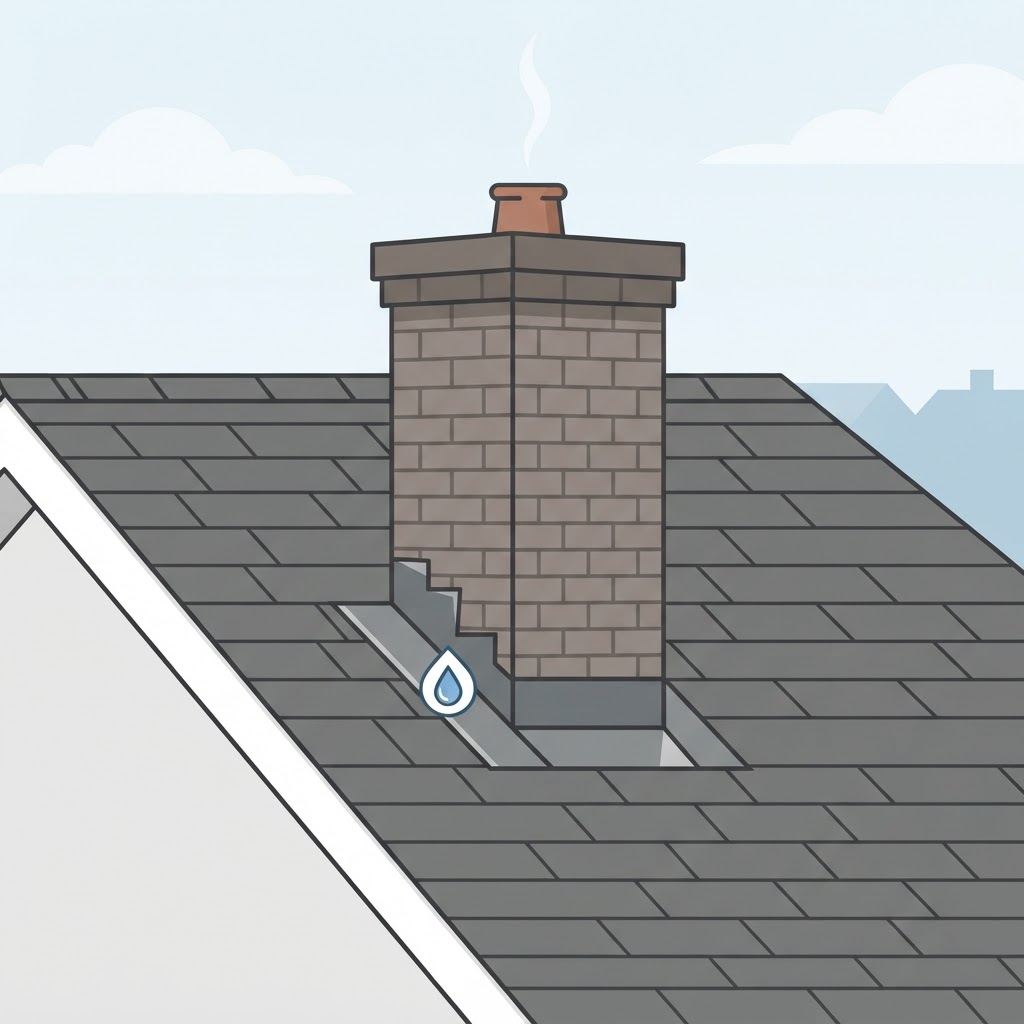
The Hidden Danger of Chimney Flashing Leaks in the South Sound
In Tacoma, where we receive nearly 40 inches of rain annually, your chimney is constantly battling moisture. The most vulnerable point of this system is the flashing—the metal strips that seal the gap where your chimney meets the roof. When this seal fails, water doesn't just sit on the roof; it travels down the chimney structure, into your attic, and behind your walls.
Many homeowners in neighborhoods like the North End, Stadium District, and University Place often mistake flashing leaks for roof issues. Because our climate involves persistent dampness and frequent freeze-thaw cycles, even a tiny gap in the flashing can allow water to seep into the masonry, leading to rapid deterioration of mortar joints and internal structural rot.
- Water stains on ceilings near the chimney breast
- Musty odors in the attic or upper floors
- Visible rust or corrosion on the flashing metal
- Dampness or mold growth in the fireplace firebox
Typical Tacoma Repair Costs
Minor flashing resealing typically ranges from $200–$600, while full flashing replacement for complex roof lines can cost $800–$1,500 depending on materials and accessibility.
How Tacoma's Climate Accelerates Flashing Failure
The Pacific Northwest environment is uniquely harsh on chimney components. During the winter, moisture trapped behind loose flashing expands when it freezes, pushing the metal further away from the brickwork. This cycle repeats throughout the season, turning a minor gap into a significant entry point for rainwater.
Furthermore, homes near the water, such as those in Ruston or along the Northeast Tacoma coastline, face additional challenges from salt air, which accelerates the corrosion of metal flashing. If your flashing is older than 15 years, it is likely reaching the end of its effective lifespan and requires a professional assessment.
- Freeze-thaw cycles expanding gaps in masonry
- High humidity levels preventing proper drying of materials
- Wind-driven rain forcing water under loose metal seals
- Corrosion from salt air in coastal South Sound areas
Warning Signs of Water Intrusion
Look for white mineral deposits (efflorescence) on exterior brick, peeling wallpaper near the chimney, or damp insulation in the attic.
Professional Standards for Chimney Integrity
According to NFPA 211 standards, chimneys must be maintained to prevent the accumulation of moisture that can lead to structural failure. A professional inspection by Prime Chimney Tacoma ensures that your flashing is not only sealed but correctly integrated with your roofing system to shed water away from the chimney base.
We follow CSIA-recommended practices to ensure that all repairs account for the specific expansion and contraction rates of materials used in our region. Simply applying caulk over a failing flashing system is rarely a permanent solution; true repair often requires professional-grade counter-flashing to ensure a watertight seal that lasts through our wettest winters.
- Inspection of counter-flashing and step-flashing
- Verification of proper drainage away from the chimney base
- Assessment of surrounding roof shingles for water-wicking
- Application of high-grade, weather-resistant sealants
Why Professional Repair Matters
Improperly installed flashing can trap water against the chimney, causing more damage than the original leak. Professional installation ensures proper water shedding.
Protecting Your Home Beyond the Flashing
While flashing is the primary defense against water, it works in tandem with your chimney crown and cap. If your flashing is failing, it is highly likely that other components are also suffering from water exposure. We recommend a comprehensive inspection to ensure your entire chimney system is protected.
For homeowners in Lakewood, Puyallup, and Gig Harbor, we often find that addressing flashing issues early prevents the need for expensive masonry tuckpointing or flue liner replacements later. Investing in your chimney's health today is the most effective way to avoid emergency repairs during the peak of the rainy season.
- Schedule annual inspections before the October rains
- Check for missing or damaged chimney caps
- Monitor masonry for signs of spalling or cracking
- Ensure the chimney crown is properly sealed
Maintenance Checklist
Annual inspections are the best way to catch flashing issues before they cause interior water damage. Call 253-322-6642 to book yours.
Frequently Asked Questions
How do I know if my chimney flashing is leaking?
Common signs include water stains on the ceiling or walls near the chimney, a damp smell in the fireplace, or visible gaps between the metal flashing and the brickwork. If you notice these, call us for an inspection.
Can I just use silicone caulk to fix a flashing leak?
While store-bought caulk might provide a temporary fix, it is rarely a long-term solution for Tacoma's heavy rain. Professional flashing repair involves proper metal integration and high-grade sealants designed to withstand our climate.
How often should I have my chimney flashing inspected?
We recommend an annual inspection, ideally in late summer or early fall, to ensure your chimney is ready for the upcoming rainy season. This helps catch small issues before they become costly repairs.
Does my homeowners insurance cover chimney flashing leaks?
Generally, insurance covers sudden, accidental damage, but not maintenance-related wear and tear. It is best to keep your chimney well-maintained to avoid potential claim denials.
Need Chimney Service?
Get a free, no-obligation estimate from Prime Chimney Tacoma today.