
Troubleshooting and Replacing Fireplace Dampers in Tacoma Homes
A faulty fireplace damper can lead to heat loss and safety hazards in your Tacoma home. Learn how to identify signs of damage and when to call for professional repair.
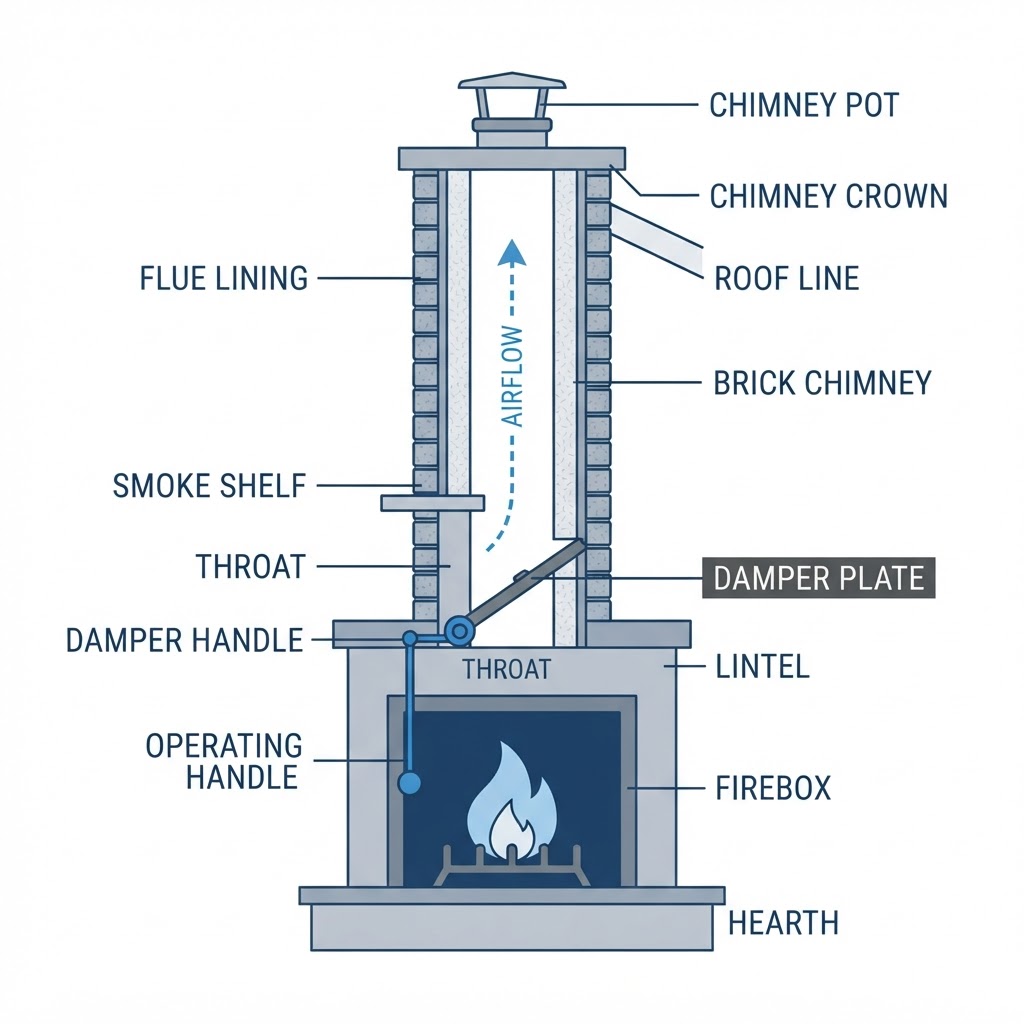
Understanding the Role of Your Fireplace Damper
The fireplace damper is a critical component of your chimney system, acting as a gatekeeper between your living space and the outside environment. Located in the throat of the chimney, just above the firebox, its primary job is to control airflow. When you are ready to enjoy a fire, the damper must be fully open to allow smoke and combustion gases to exit safely through the flue.
When the fireplace is not in use, the damper should be closed tightly to prevent conditioned air from escaping your home and to stop cold drafts from entering. In the Pacific Northwest, where Tacoma experiences significant rainfall and fluctuating temperatures, a properly functioning damper is essential for maintaining energy efficiency and preventing moisture from entering your home.
- Regulates airflow for efficient combustion
- Prevents heat loss during winter months
- Blocks cold drafts and outdoor debris
- Acts as a barrier against pests and moisture
Warning Signs of Damper Failure
Noticeable cold drafts near the fireplace, difficulty opening or closing the handle, visible rust or warping on the metal plate, or smoke backing up into the room during use.
Common Damper Issues in the South Sound
Tacoma homeowners often face unique challenges due to our wet climate. High humidity levels can accelerate the corrosion of metal dampers, especially in older homes throughout the North End or Stadium District. Over time, the constant exposure to moisture and the acidic nature of creosote buildup can cause the damper plate to warp or rust, preventing a tight seal.
Additionally, the freeze-thaw cycles common in Western Washington winters can cause structural shifts in the chimney masonry. If the chimney throat shifts even slightly, the damper may become misaligned, making it impossible to operate smoothly. Ignoring these issues can lead to increased energy bills and potential carbon monoxide risks.
- Corrosion from high humidity and rain
- Warping due to extreme heat cycles
- Mechanical failure of the handle or pivot points
- Obstructions from debris or nesting animals
Estimated Repair Costs
Minor damper adjustments typically range from $150 to $300. Full damper replacement, depending on the flue size and accessibility, generally costs between $350 and $750.
Safety Standards and Professional Inspection
According to NFPA 211 standards, all chimneys and venting systems should be inspected annually to ensure they are free of obstructions and structural defects. A professional inspection by a qualified technician is the only way to verify that your damper is operating within safety parameters. We use specialized tools to check for proper clearance and ensure the damper assembly is not restricting airflow.
The Chimney Safety Institute of America (CSIA) emphasizes that a malfunctioning damper is a significant safety hazard. If the damper cannot close completely, it allows warm air to escape, but more importantly, if it cannot open fully, it forces smoke and toxic gases back into your home. Whether you live in Lakewood, University Place, or Puyallup, ensuring your damper is compliant with local fire safety codes is a priority.
- Annual NFPA 211 safety evaluations
- Verification of proper damper seal
- Inspection of the smoke chamber and throat
- Assessment of structural integrity
Why Professional Help Matters
Damper replacement often requires working in tight, soot-filled spaces. Professionals have the tools to safely remove debris and ensure the new damper is perfectly seated.
When to Consider a Damper Replacement
If your damper is severely rusted, warped, or missing parts, repair may not be a viable long-term solution. Replacing an outdated throat damper with a modern top-sealing damper is often a better investment for Tacoma homeowners. Top-sealing dampers are installed at the top of the chimney flue and provide a much tighter, gasket-sealed closure than traditional throat dampers.
These modern systems are particularly effective at keeping out the heavy rain we experience in the South Sound. By creating a superior seal, they prevent water intrusion that can damage the interior of your chimney and fireplace. If you are noticing persistent moisture or drafts, it is time to consult with a professional about an upgrade.
- Severe rust or structural metal fatigue
- Inability to achieve a tight seal
- Frequent issues with smoke backup
- Desire for improved energy efficiency
Top-Sealing vs. Throat Dampers
Top-sealing dampers offer a superior airtight seal and act as a chimney cap, providing better protection against Tacoma's rainy weather compared to traditional throat dampers.
Maintaining Your Fireplace System
Regular maintenance is the key to a long-lasting fireplace system. Beyond the damper, ensure that your chimney cap is in good condition to prevent debris from falling into the flue and interfering with the damper mechanism. Keeping the firebox clean and scheduling regular chimney sweeps will also reduce the buildup of creosote, which can corrode metal components over time.
At Prime Chimney Tacoma, we are dedicated to helping homeowners in the South Sound maintain safe and efficient fireplaces. From the West End to the Eastside, our team provides honest, professional service to keep your home warm and secure. If you suspect your damper is failing, don't wait for the next cold snap to address it.
- Schedule annual chimney sweeps
- Check for debris around the damper
- Ensure the chimney cap is secure
- Monitor for signs of moisture
Service Areas
We proudly serve Tacoma, including North End, Stadium District, Hilltop, South Tacoma, Eastside, West End, Northeast Tacoma, Ruston, Fircrest, University Place, Lakewood, Puyallup, Federal Way, and Gig Harbor.
Frequently Asked Questions
How do I know if my fireplace damper is stuck?
If you feel resistance when moving the handle, or if you can see daylight through the chimney while the damper is supposedly closed, it is likely stuck or misaligned. You may also notice a persistent draft or smoke entering the room.
Can I replace a fireplace damper myself?
While some homeowners attempt this, it is often difficult due to the cramped, soot-filled nature of the chimney throat. Improper installation can lead to safety hazards, so professional installation is recommended to ensure a proper seal.
How often should I have my damper inspected?
According to NFPA 211 standards, you should have your entire chimney system, including the damper, inspected at least once a year to ensure safety and efficiency.
Does the rainy Tacoma weather affect my damper?
Yes, high humidity and heavy rainfall can accelerate the rusting of metal dampers. A top-sealing damper is often a great solution for Tacoma homes as it provides a better seal against moisture.
Need Chimney Service?
Get a free, no-obligation estimate from Prime Chimney Tacoma today.