PRIME CHIMNEY
Tacoma · WA
Creosote Removal Services
Thorough creosote removal that clears dangerous flue buildup, lowers chimney fire risk, and restores safe draft for a cleaner, better-burning fireplace.
Why Choose Us for Creosote Removal
Fully Insured Technicians
Our creosote removal is handled by a licensed, bonded, and insured team, so your home is protected throughout the cleaning.
Clean, Contained Work
We protect your home with drop cloths and a clean job site, containing soot and debris so creosote removal never leaves a mess behind.
Documented Safety Reporting
You receive photo-documented inspections and detailed findings reports, so you can see the buildup we removed and the condition of your flue.
Honest, Upfront Pricing
We provide upfront pricing before any work starts, with honest pricing and no hidden fees once the creosote removal is complete.
Other Chimney Services
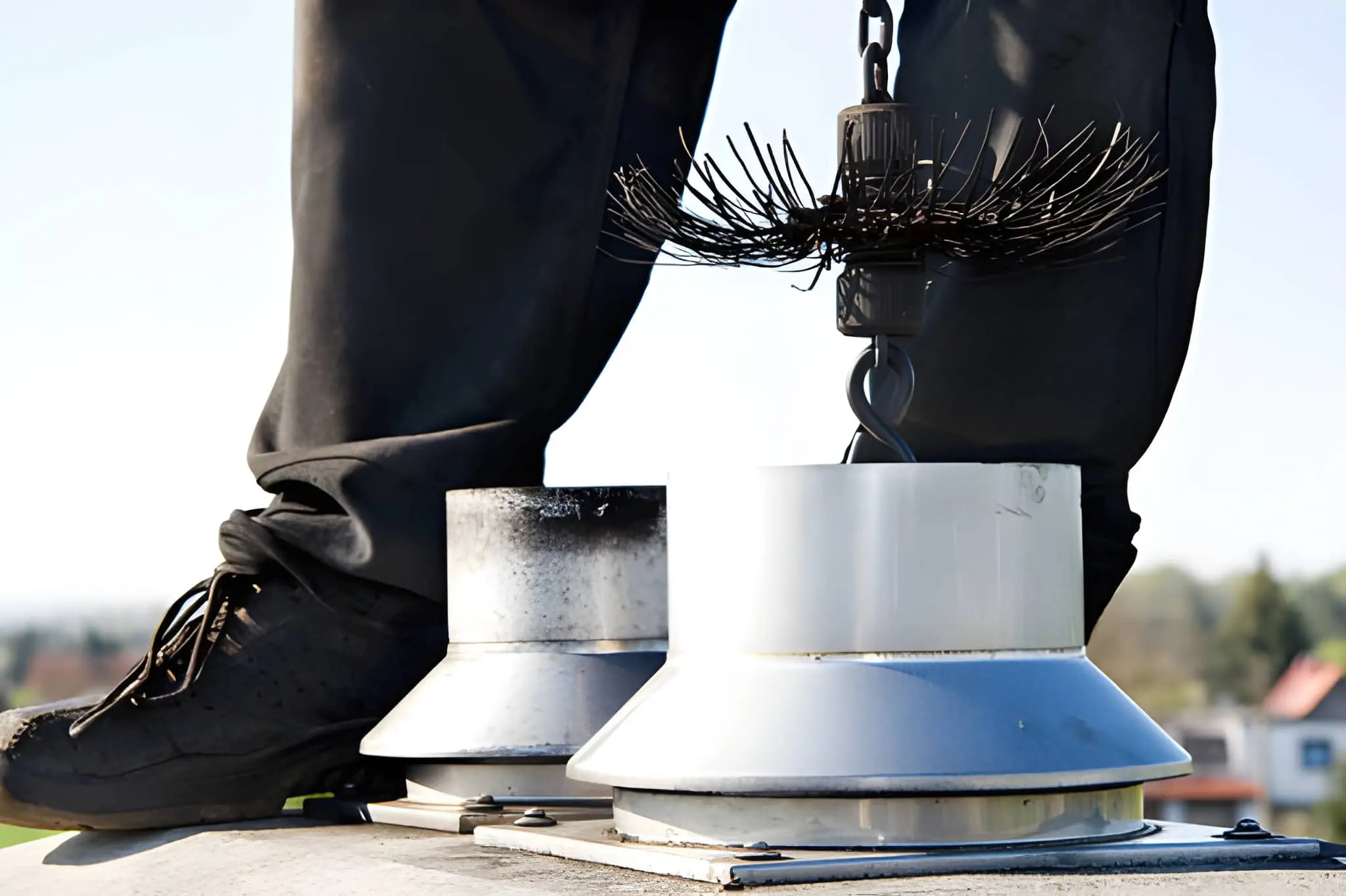
Chimney Sweep
Professional cleaning & creosote removal
Learn More
Chimney Inspection
Level 1, 2 & 3 safety inspections
Learn More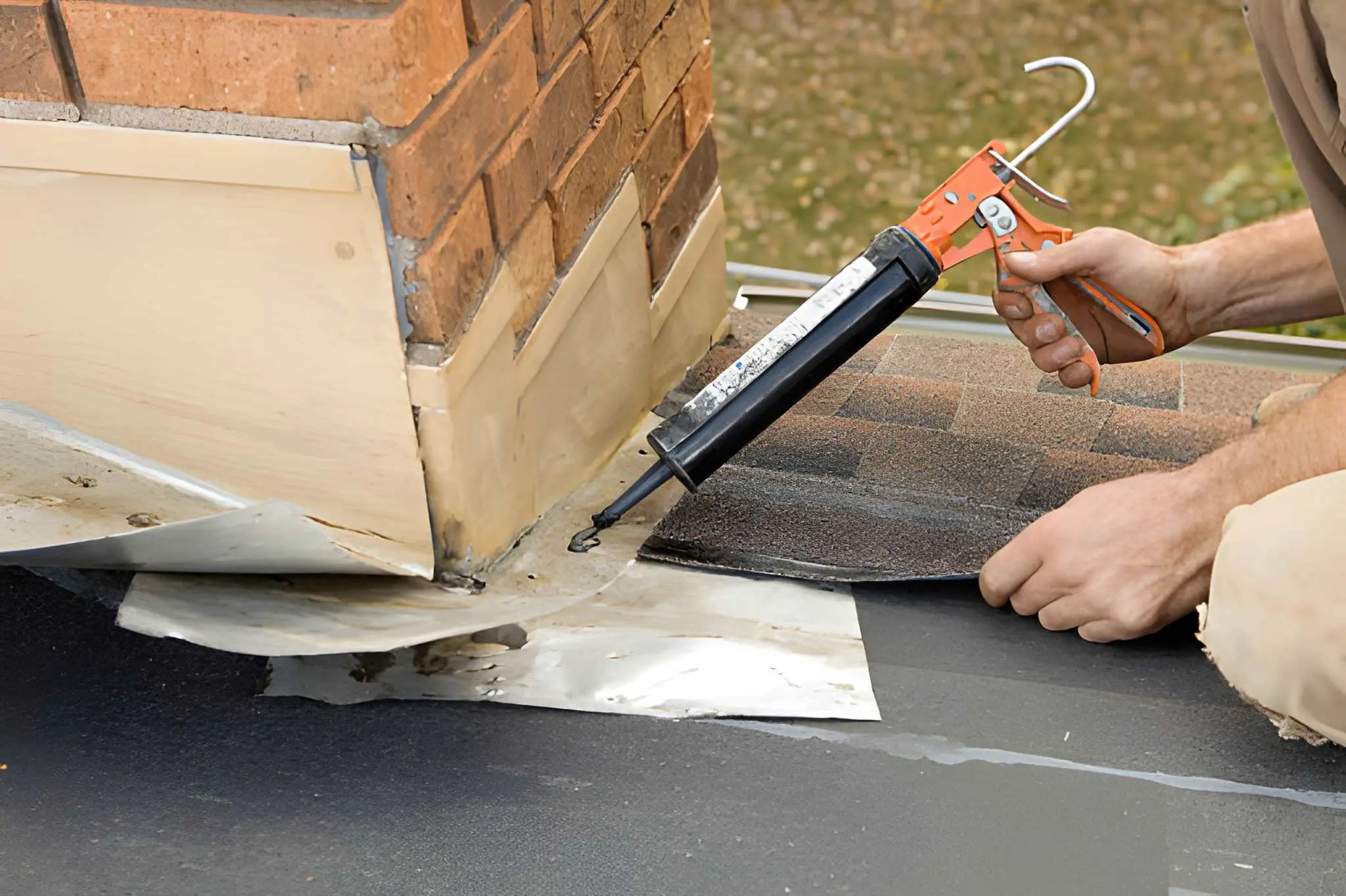
Chimney Repair
Cracks, leaks, spalling & mortar repair
Learn More
Chimney Rebuild
Partial & full chimney reconstruction
Learn More
Chimney Liner Installation
Stainless steel & cast-in-place liners
Learn More
Chimney Cap Installation
Custom caps to keep out rain & animals
Learn More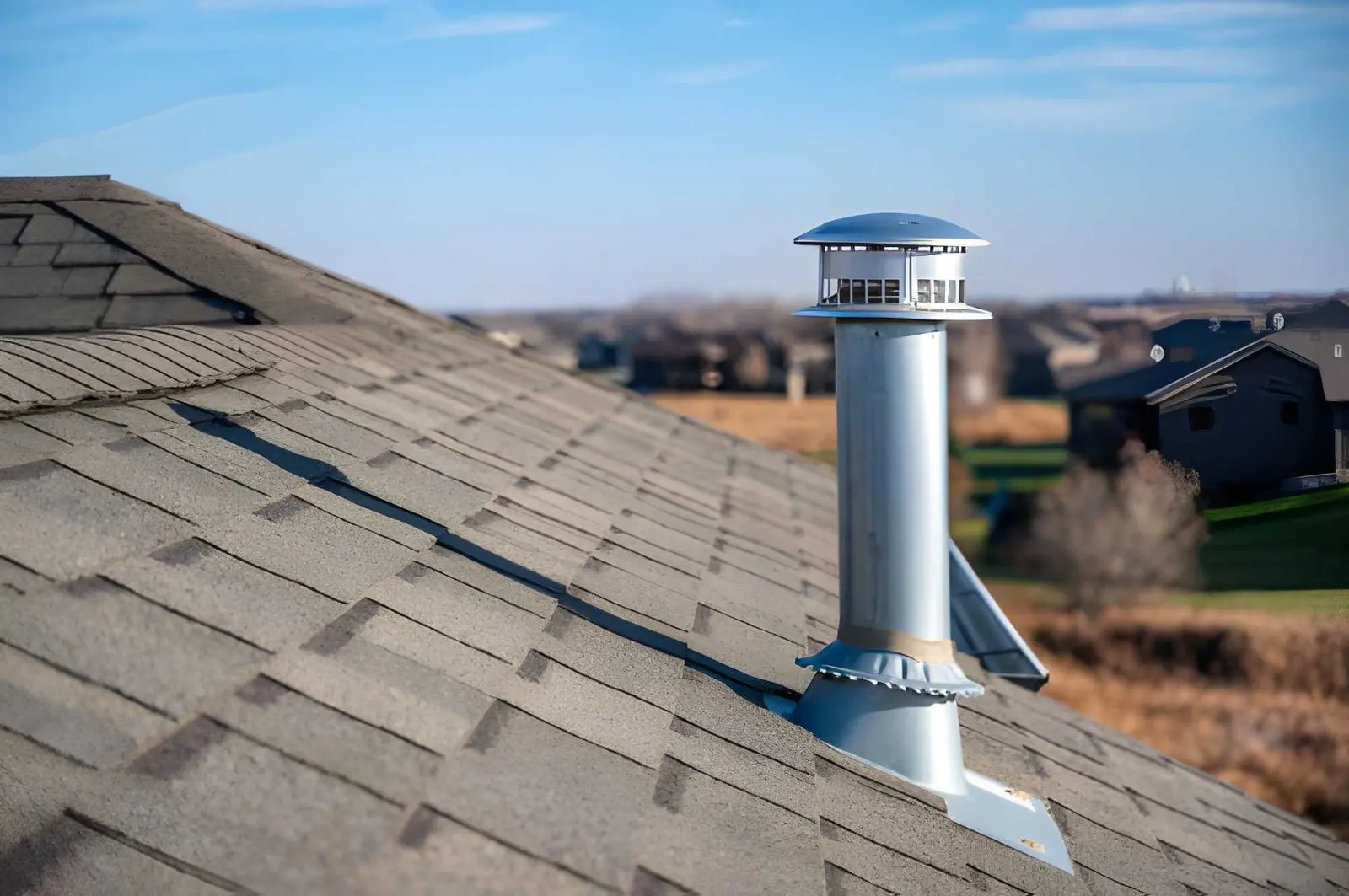
Chimney Crown Repair
Seal & repair cracked chimney crowns
Learn More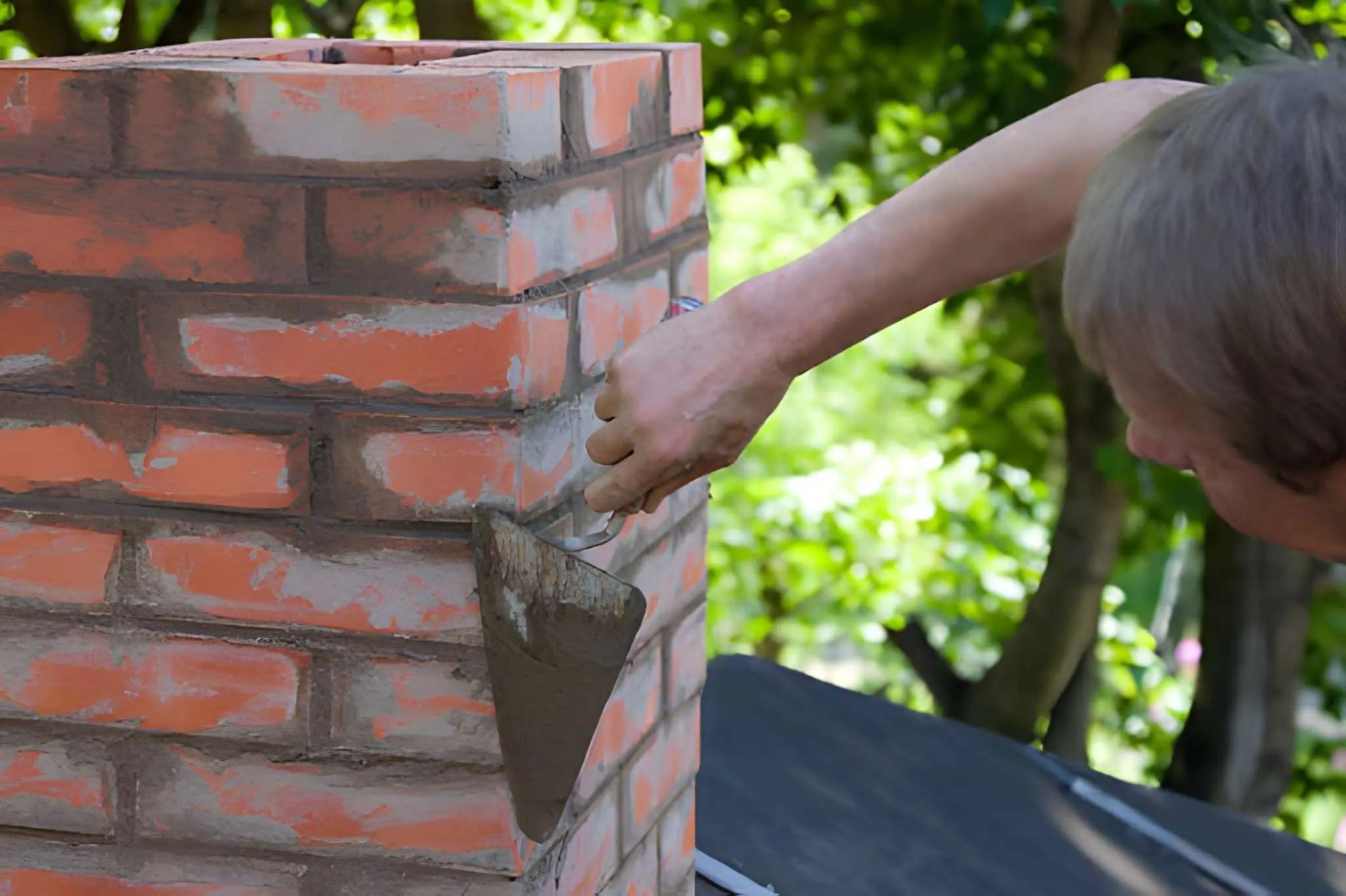
Chimney Masonry Repair
Tuckpointing, brick & stone restoration
Learn More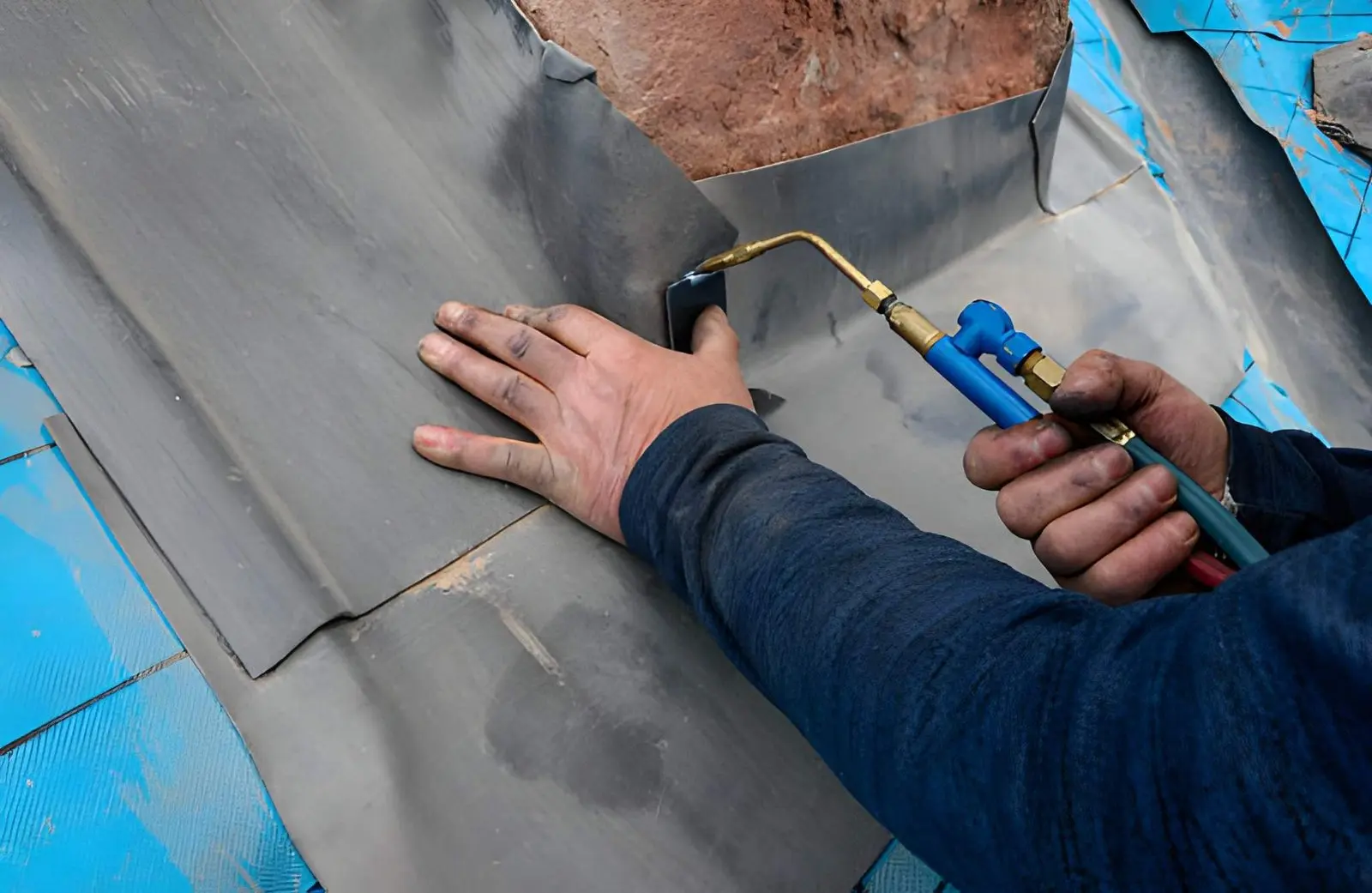
Chimney Waterproofing
Breathable sealants that protect masonry
Learn More
Gas Fireplace Repair
Diagnostics, CO testing & gas fixes
Learn More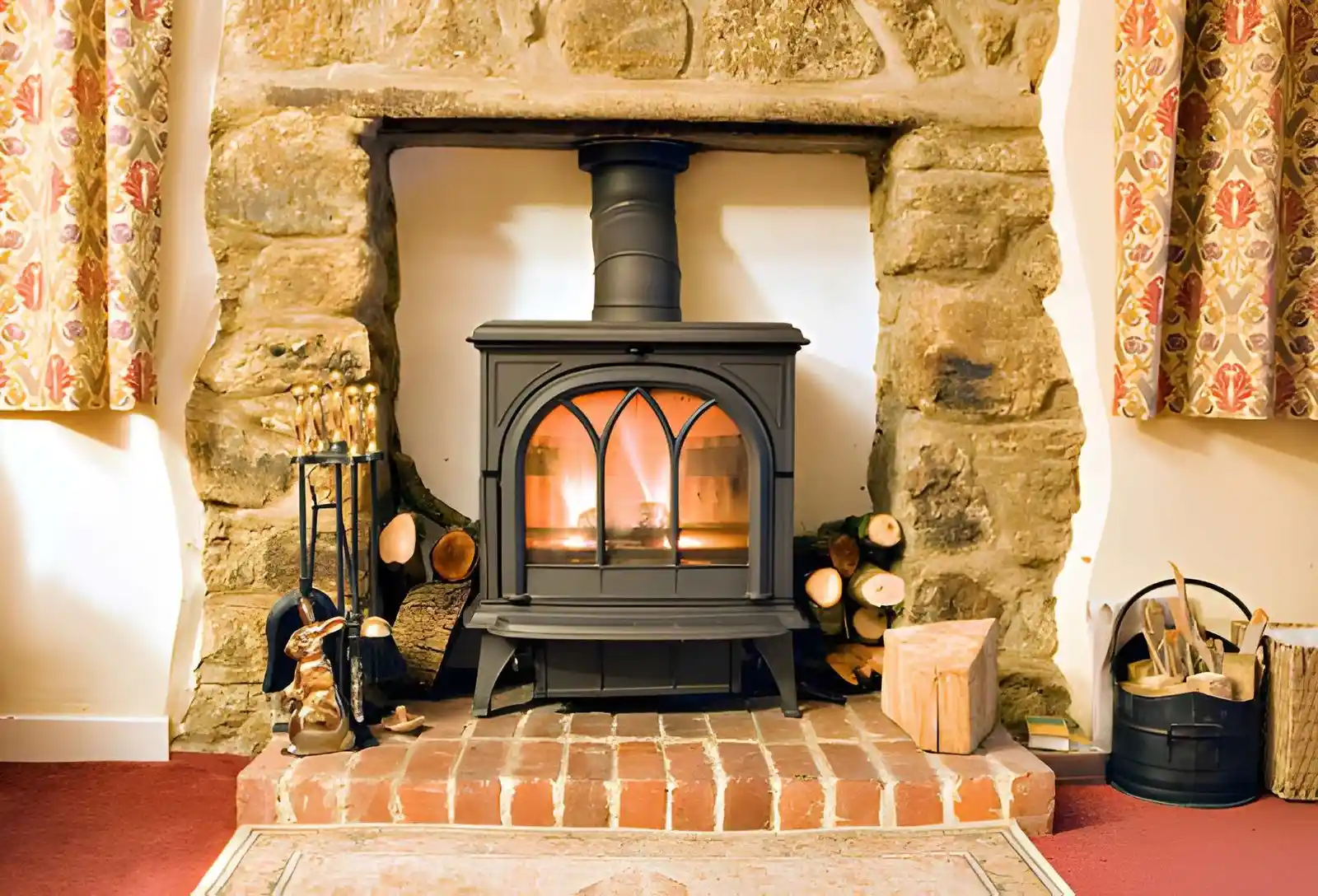
Fireplace Installation
Wood, gas & insert installations
Learn More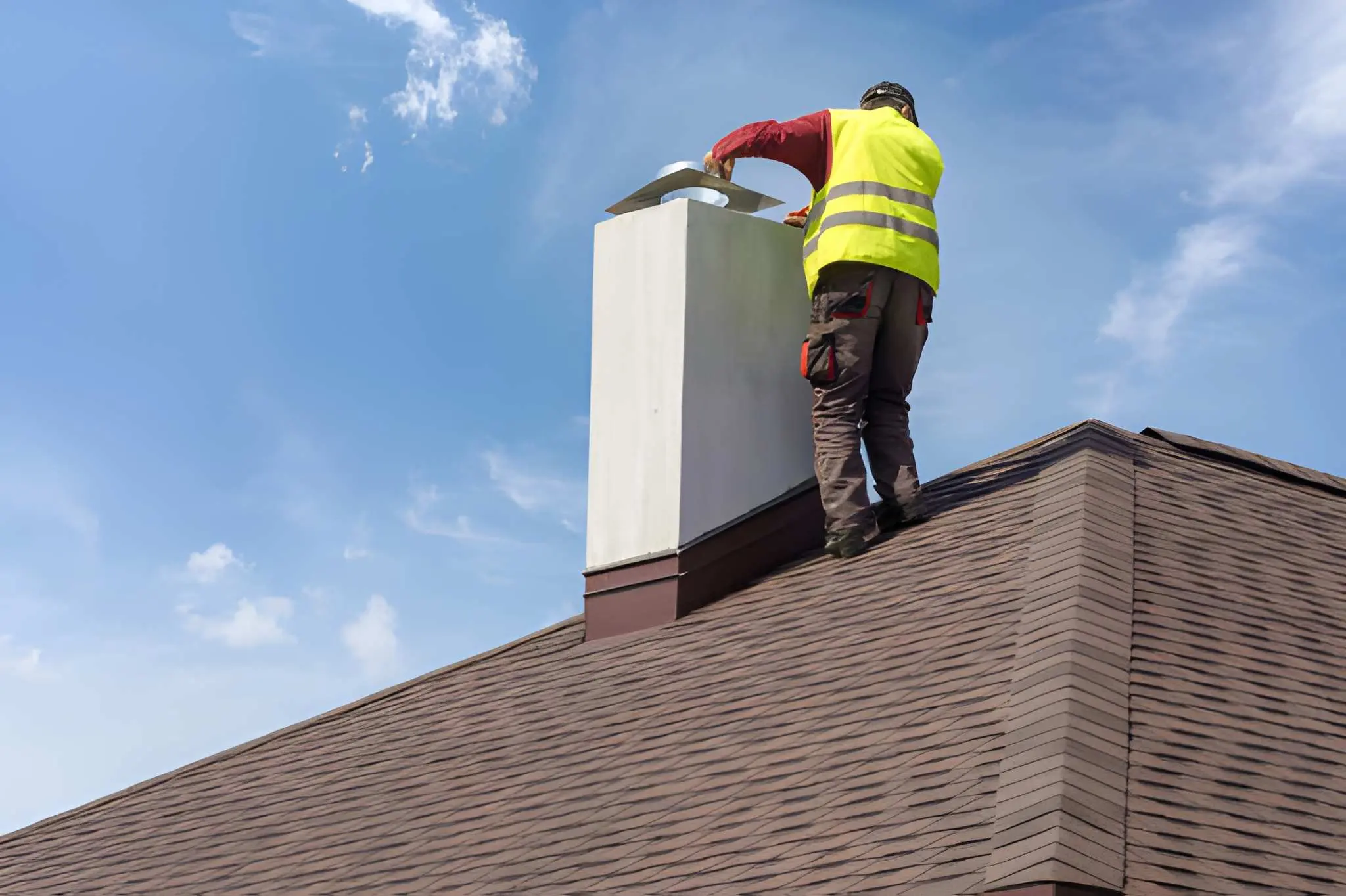
Chimney Insert Installation
Efficient inserts fitted & vented right
Learn More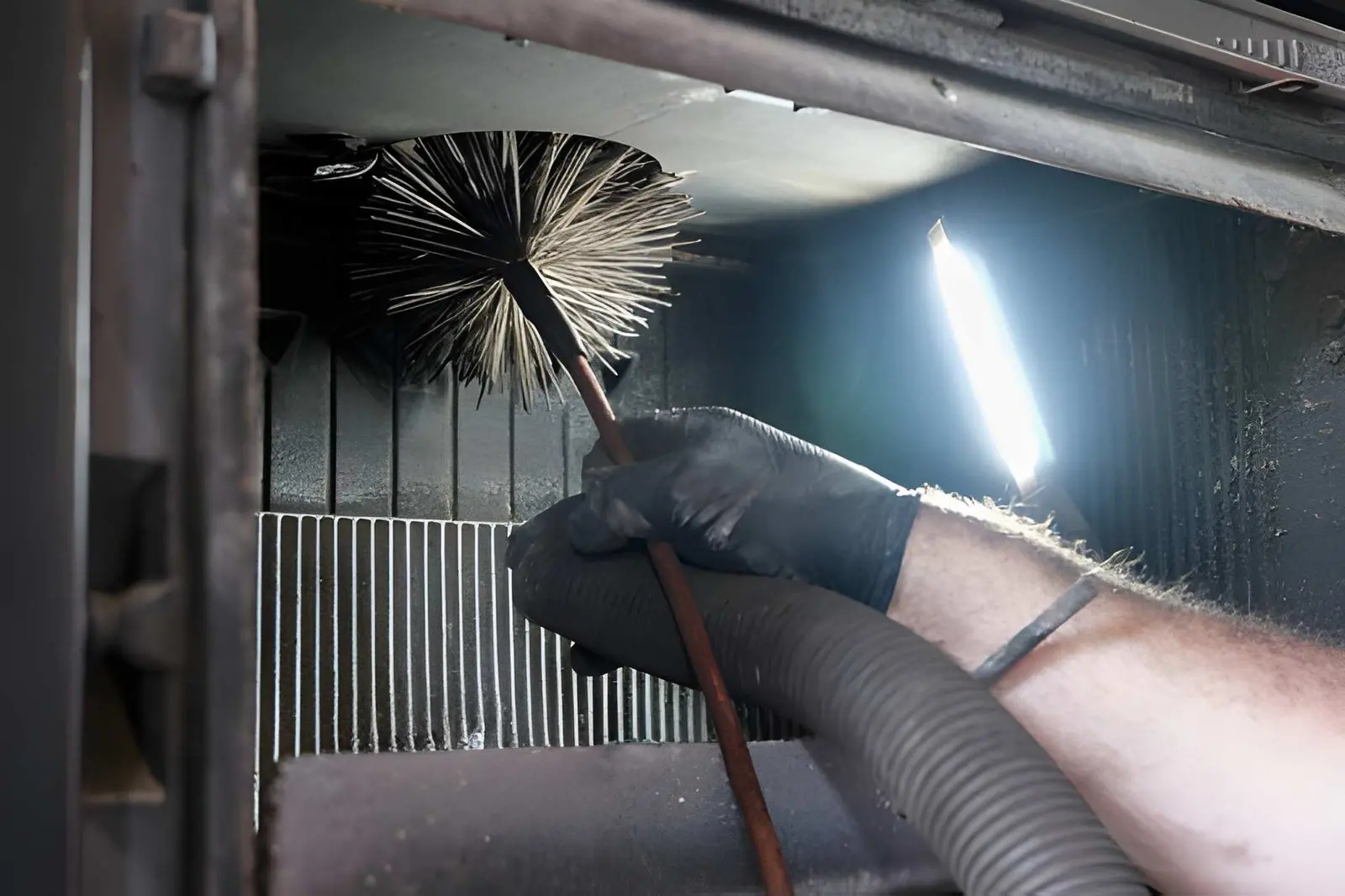
Fireplace Inspection
Firebox & fireplace condition checks
Learn More
Chimney Leak Repair
Find the leak, stop the water
Learn MoreFrom Our Neighbors
What Tacoma-Area
Homeowners Tell Us
We let our work do the talking. Here's what folks around the South Sound have said after we finished the job.
"We bought a 1920s craftsman in the North End and the chimney was honestly kind of terrifying. They didn't try to upsell us on stuff we didn't need — walked us through what was actually wrong, showed us photos, and rebuilt only what needed rebuilding. The price didn't budge from the estimate."
Marcus B.
Tacoma, WA · Chimney Rebuild
"I called three places before landing on Prime Chimney. The others felt like talking to a sales rep reading a script. The tech who came out actually knew what he was talking about, explained the creosote situation in plain English, and didn't try to scare me into extra work. Just a solid, honest sweep."
Diane F.
University Place, WA · Inspection & Sweep
"Our gas insert kept shutting off and I was worried about carbon monoxide. They came out the same week, found a bad thermocouple, and had it running in under an hour. No drama, no inflated bill. The guy even showed me how to clean the glass properly before he left."
Greg & Wendy P.
Puyallup, WA · Gas Fireplace Diagnostic
"We bought a 1920s craftsman in the North End and the chimney was honestly kind of terrifying. They didn't try to upsell us on stuff we didn't need — walked us through what was actually wrong, showed us photos, and rebuilt only what needed rebuilding. The price didn't budge from the estimate."
Marcus B.
Tacoma, WA · Chimney Rebuild
What Our Creosote Removal Covers
Our creosote removal service clears flammable buildup from the flue and smoke chamber to reduce chimney fire risk and restore proper draft. We match the removal method to the stage and hardness of the creosote present. Each cleaning includes an inspection and a clear safety report on what we found and removed.
Flue Creosote Assessment
We inspect the flue to identify how much creosote is present and which stage of buildup you have before selecting the right removal method.
Rotary & Brush Removal
We use rotary tools and brushes to break loose and clear flaky and crusty creosote from the flue walls for a thorough cleaning.
Stage 3 Glaze Treatment
We address hardened, tar-like Stage 3 glaze with targeted treatments designed to break down the dense, baked-on layers that brushing alone cannot remove.
Smoke Chamber Cleaning
We clean the smoke chamber above the firebox, where creosote and soot collect and restrict the path that smoke follows into the flue.
What's Included
- Flue creosote assessment
- Rotary & chemical removal
- Stage 3 glaze treatment
- Smoke chamber cleaning
- Level 1 inspection
- Safety report
Understanding the Three Stages of Creosote Buildup in Your Flue
Creosote forms as wood smoke cools and condenses inside the flue. It progresses through three stages, and each one is harder to remove and more hazardous than the last.
Stage 1 Creosote
A light, flaky soot that brushes away easily. Removed early, it is the simplest stage to clear and poses the lowest immediate fire risk.
Stage 2 Creosote
A harder, crunchy layer with shiny flakes that clings more tightly to the flue walls and requires more aggressive rotary cleaning to remove.
Stage 3 Creosote
A hardened, tar-like glaze that is highly flammable and difficult to remove. This dense layer often needs specialized treatment beyond standard brushing.
Why Stages Matter
Identifying the stage determines the safest, most effective removal method, which is why assessment comes before any cleaning begins.
Our Creosote Removal Process
Schedule Your Cleaning
Reach out to schedule your creosote removal, and let us know about any smoke, odor, or draft issues you have noticed with your fireplace.
Flue Assessment
We perform a Level 1 inspection and assess the flue to determine how much creosote is present and which stage of buildup you have.
Findings and Written Estimate
We share our photo-documented findings and provide a free, no-obligation written estimate with upfront pricing before any cleaning begins.
Creosote Removal
We clear the buildup using rotary tools, brushes, or targeted glaze treatment as needed, and clean the smoke chamber above the firebox.
Inspection and Cleanup
We re-inspect the clean flue, contain and remove all debris, and leave your home protected with drop cloths and a tidy job site.
Safety Report and Guidance
We provide a safety report on what we found and removed, plus guidance on burning practices that help slow future creosote buildup.
Chimney Services Near You
Click on your city to learn about the repairs and services we offer in your area.
We're based in Tacoma and serve homeowners across Pierce County, the South Sound, and the greater Seattle metro. Find your city below — or call us and we'll confirm we cover your neighborhood.
Don't see your city? We likely still serve you — just ask.
Call 253-322-6642Why Creosote Removal Reduces Your Chimney Fire Risk
Creosote is the combustible residue left behind when wood smoke cools inside the flue. As it accumulates, it provides fuel that can ignite from the intense heat of a normal fire, leading to a dangerous chimney fire.
Removing creosote regularly interrupts this cycle before buildup reaches a hazardous level. Keeping the flue clean also improves draft, so smoke and byproducts exit efficiently instead of lingering in your home.
- Accumulated creosote is highly flammable and can ignite inside the flue
- Thicker buildup narrows the flue and weakens draft
- Poor draft can push smoke and odors back into the room
- Regular removal keeps buildup from reaching dangerous levels
- A clean flue burns cleaner and vents byproducts more efficiently
- Routine cleaning supports safer overall fireplace operation
How Rotary and Chemical Methods Remove Stubborn Creosote
Different stages of creosote call for different removal methods. Light and crusty buildup responds well to rotary tools and brushes that mechanically scrub the flue walls, while hardened Stage 3 glaze often resists brushing entirely.
For dense, baked-on glaze, targeted treatments help break down the tar-like layer so it can be cleared more effectively. Matching the method to the buildup is what makes removal both safe and thorough.
- Rotary tools scrub flaky and crusty creosote from the flue walls
- Brushes clear loosened debris from the full length of the flue
- Treatments help break down hardened Stage 3 glaze
- The smoke chamber is cleaned where soot and creosote collect
- Debris is contained to keep your home clean
- A post-cleaning inspection confirms the flue is clear
What Causes Creosote to Build Up Faster in Chimneys
Understanding what accelerates creosote buildup helps you burn more cleanly and need removal less often. These common factors cause creosote to form faster and harder.
- Burning unseasoned or wet wood that produces more smoke and moisture
- Low, smoldering fires that fail to reach efficient burning temperatures
- Restricted air supply that starves the fire and increases smoke
- A cool flue that causes smoke to condense quickly on the walls
- An oversized flue that slows draft and lets byproducts linger
- Infrequent cleaning that allows layers to harden over time
- Poor draft that lets smoke cool before it exits the chimney
- Burning treated or painted wood that leaves heavier residue
Our Location
Visit our Tacoma office or call us — we serve homeowners across Tacoma and the Greater Puget Sound area, 24/7.
Address
1145 Broadway Ste 1011, Tacoma, WA 98402, United States
Phone
253-322-6642Hours
Open 24 Hours, 7 Days a Week
Creosote Removal FAQs
Frequently Asked Questions
How do I know if my chimney needs creosote removal?
Warning signs include a strong smoky odor, reduced draft, visible soot or black flaky residue in the firebox, and smoke lingering in the room. Because buildup inside the flue is not always visible, a Level 1 inspection is the most reliable way to confirm how much creosote is present. We assess the flue before recommending any cleaning.
What is the difference between the three stages of creosote?
Stage 1 is a light, flaky soot that brushes away easily, Stage 2 is a harder crunchy layer with shiny flakes, and Stage 3 is a hardened tar-like glaze that is highly flammable and difficult to remove. Each stage is more hazardous than the last. We identify the stage during assessment to select the safest removal method.
Why is Stage 3 creosote glaze so difficult to remove?
Stage 3 creosote is a dense, baked-on glaze that clings tightly to the flue walls and resists standard brushing. Because of its hardness, it typically requires targeted treatment to break down the layer before it can be cleared. This is why identifying the stage before cleaning is so important.
How often should creosote removal be performed?
The right frequency depends on how often you burn, the type of wood you use, and how your fireplace drafts. Homes that burn frequently or use unseasoned wood tend to build creosote faster. A routine inspection helps determine when removal is needed, rather than waiting for buildup to reach a hazardous level.
Can I reduce how fast creosote builds up in my chimney?
Yes. Burning seasoned, dry wood, maintaining hot and well-ventilated fires, and avoiding smoldering low burns all reduce how quickly creosote forms. Keeping the flue clean also helps it draft efficiently. During your service we share practical burning guidance tailored to what we find in your flue.
Book Your Creosote Removal Today
Open 24/7, 365 days a year. Free estimates, same-week scheduling, and honest pricing — that's the Prime Chimney promise.
1145 Broadway Ste 1011, Tacoma, WA 98402, United States • Open 24 Hours, 7 Days a Week